The Earth in the Altars:
Ecological Consciousness in Bihari Weddings and Literature
In the modern discourse on sustainability, we often look toward technology for solutions. However, the traditional wedding rituals of Bihar and the literature reflecting them offer an ancient blueprint for “living with the land.”
1. The Ritual of Mati-Kor: An Ode to the Soil
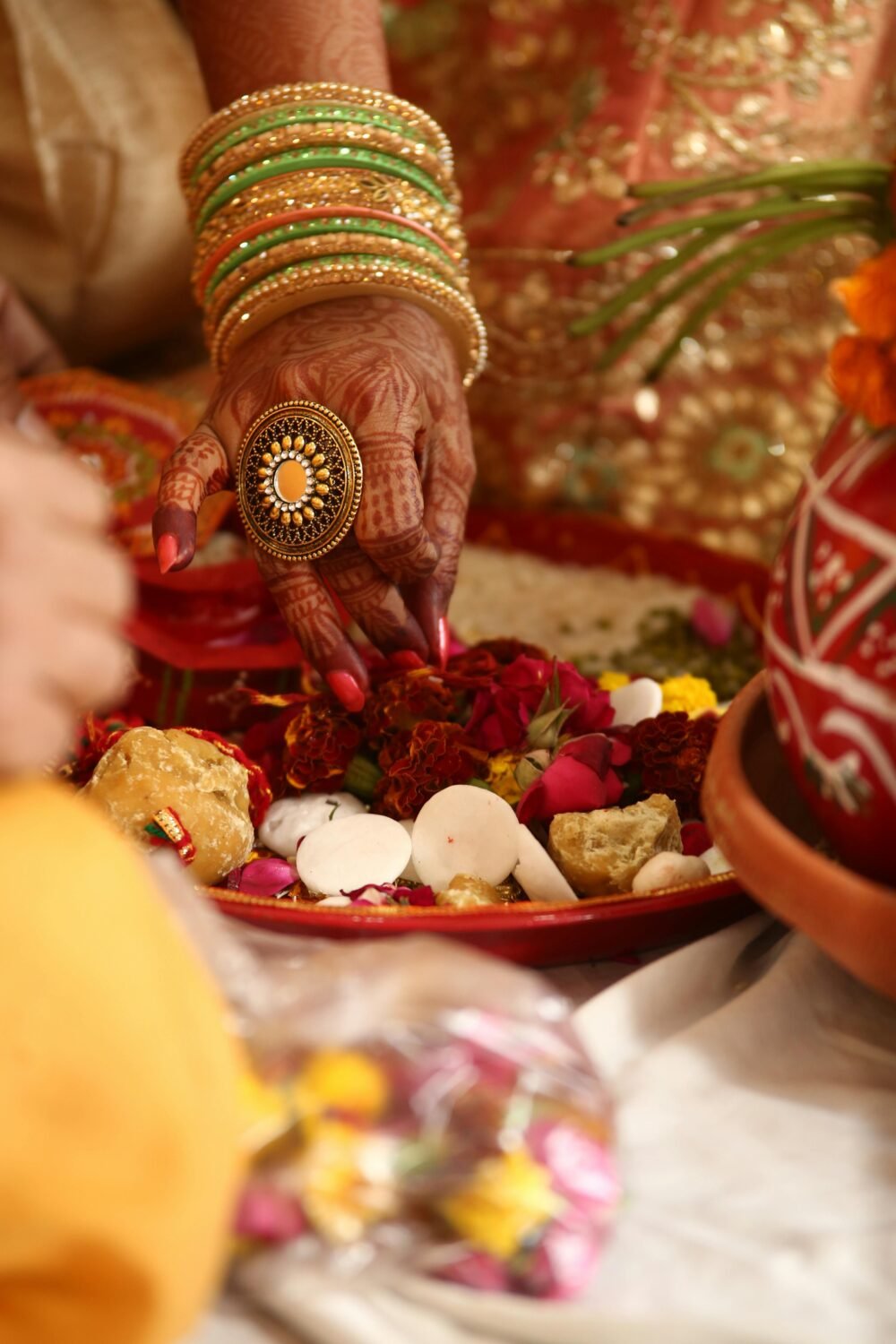
Every traditional Bihari wedding begins with Mati-Kor (digging the earth). Women of the family gather to dig soil from a local field or pond bank while singing folk songs. This soil is used to build the Marwa (wedding altar).
Origin:
Historically, this ritual traces back to the ancient agrarian societies of the Gangetic plains. In Vedic texts, the Earth is referred to as Prithvi Sukta, the mother of all.
Significance:
It serves as a Bhoomi Pujan (land worship). Before a new family unit is created, permission is sought from the Earth. Mud represented the dynamic, living cycle of nature.
Historical Context:
In the Ramayana, Sita (whose name means “furrow”) was found in the earth. The Mati-Kor ritual in Mithila honors this “Daughter of the Soil” heritage.
2. Nature as a Witness: The Marwa and Bamboo
Traditional Bihari wedding structures use bamboo shoots and mango leaves instead of modern synthetic materials.
Origin:
The use of bamboo and banana stalks is rooted in the “Vanaspati” (Lord of the Forest) tradition of the Atharva Veda.
Historical Significance:
Bamboo symbolizes growth and resilience. These structures were biodegradable and returned to the earth, ensuring a zero-waste celebration.
Mango leaves and Kusha grass act as natural purifiers and leave no environmental footprint.
The Kohbar: A Visual Ecosystem
The Kohbar Ghar (nuptial chamber) features ecological art, often showing intertwined vines.
Historical Origin:
Legend says King Janak commissioned Kohbar paintings for the wedding of Rama and Sita.
Eco-Significance:
Traditionally painted with rice paste and natural colors.
Symbolism:
- Fish — abundance in wetlands
- Lotus — reproductive power of water
- Sun & Moon — eternal witnesses of the union
3. Ecological Consciousness in Literature
Novels from Bihar preserve these rituals and environmental links.
A. Maila Anchal — Phanishwar Nath Renu
- Shows human life inseparable from local ecology.
- The Kamla River is depicted as a mother figure.
- Wedding rituals reflect reverence for soil, seasons, and fertility.
- Village deities are tied to groves and trees.
- Environment is both provider and judge.
B. Usha Kiran Khan’s Maithili Works
- Describes Saurath Sabha, a centuries-old gathering under sacred trees where marriages were arranged.
- Madhubani art used in weddings records regional plant life through natural dyes.
The Future of a “Green” Ancestry
Ecological consciousness in Bihari wedding rituals is not a relic of the past but a profound ethno-ecological philosophy. Rituals like Mati-Kor and Kohbar art show a culture that defines sanctity through closeness to nature.