Unity in diversity is one of the most important aspects of Indian population. Tribal living portrays a well-balanced lifestyle where they live in harmony and unanimity with nature. They are very close to mountains, hills, forests, rivers, etc.
The tribals are also called Adivasi. The term “Adivasi” comes from the Hindi word “adi” meaning ‘from the beginning’ and “vasi” means ‘inhabitant’. The tribals are considered as the original inhabitants of the land.
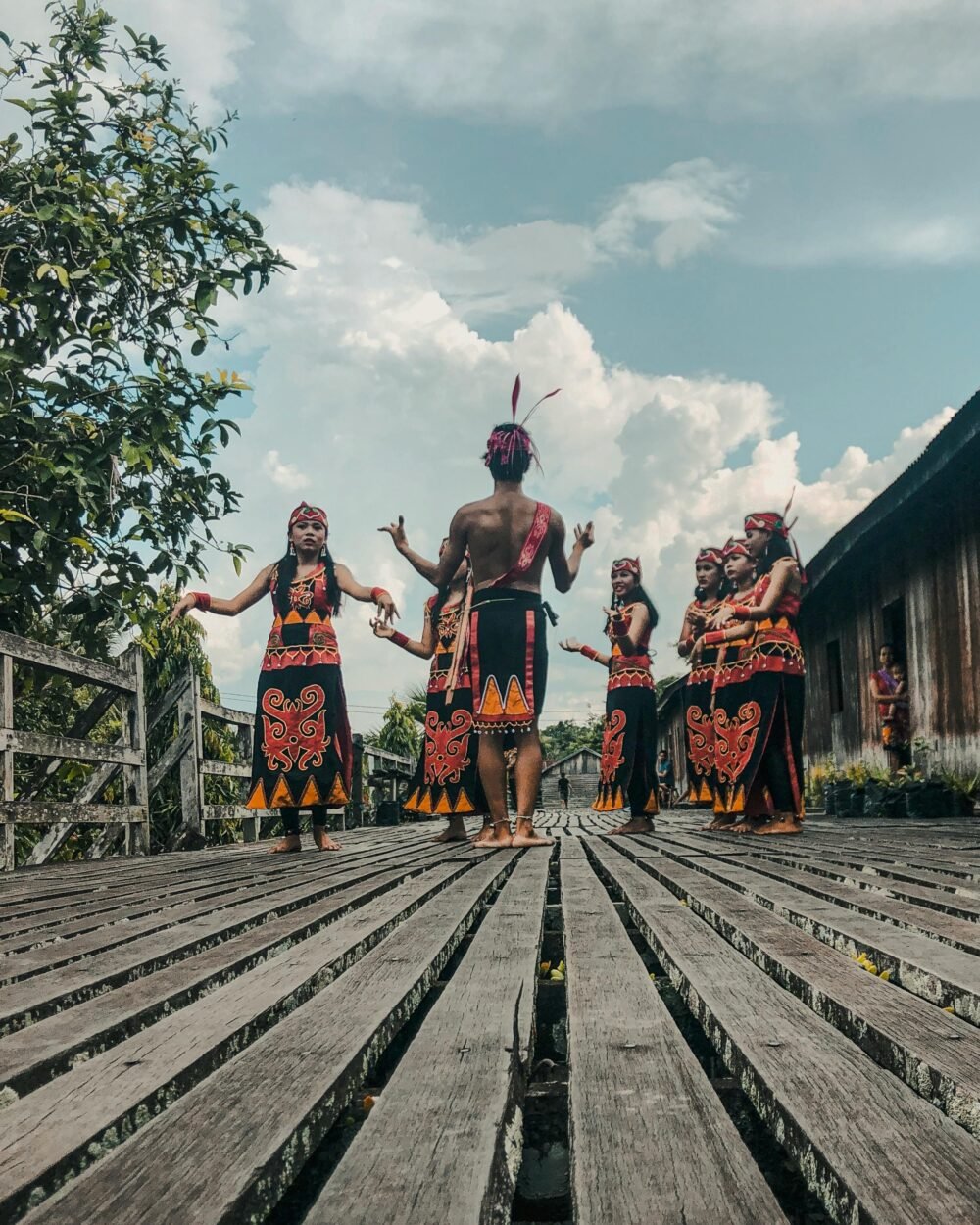
Warm hospitality, simple ways of living and sincere judgements of the opinions are the traits of the tribal community. The trust in their traditions and the confidence to practice that in this era of modernity and globalization shows the strength of their cultural roots and the richness of their customs and traditions. The richness of their culture can be projected through the diversity it possess in its traditional art forms, paintings, dance forms, folk songs, food, etc.
The “Warli” painting, which is essentially triangular or rectangular human and animal figures with stick like limbs and round heads, originated in the terrain of Sahyadri Hills by Warli tribe.
Bhil is one of the largest tribes of India. “Garvi” is an ancient ritual performed by the Bhil community of Rajasthan and Gujarat. It is performed in the form of act and dance to seek blessings from Lord Shiva and goddess Parvati to get a life free from misery and pain. The origin of “Garvi” is based on the legend of the demon Varkasur or Bhasmasur, when Vishnu, the preserver had succeeded in protecting Shiva by turning Bhasmasur into ashes. Ghoomar, the folk dance of Rajasthan has also come from the Bhil tribe.
The tribal women witness a lot of respect and liberty. They enjoy very high status in their society. The women of Bhil tribe practice polygamy where a woman is allowed to remarry after her first marriage. During marriages, it is the men who have to pay a dowry (few goats) to be able to marry an eligible woman.
Their faith depends on memory and oral tradition rather than on sacred literature. They believe in spirits and some form of life after death. The tribals are dependent on their own genius for development of their ideas and practices.
In folk religion, the tribals usually worship nature including rivers, trees, earth, rain, mountains, etc. Along with folk religion, the tribals practice the folk worship of their folk gods. Their folk gods are separate from mainstream religion and do not ascribe to any major religion. Folk goddesses are called ‘Amma’ or ‘Ajji’ and folk gods are called ‘Appa’ or ‘Ayya’. Folk gods have a matriarchal structure where female goddesses are prominent. The goddesses usually do not have husbands but they have brothers and male subordinates. Some major folk goddesses and gods are ‘Fertility Goddess’, ‘Water Goddess’, ‘Warrior God’ and ‘Shaivite God’.
Symbolism is an important part of tribal culture. Various elements are used to represent beliefs, feelings, pride, identity, etc. Symbolism is an ancient cultural practice which is still very important for the people. Various traditional symbolic elements and designs were used, which are now found only in literature, art, sculpture, architecture or used occasionally for religious purposes. Typical designs of animals and birds were used for symbolising various purposes and occasions.
The traditional eating food of tribals includes fish, crabs, snail, ants, wild fruits and roots, etc. Bamboo and other tree-based ethnic and fermented food is quite popular among North-Eastern tribes. The eating habits of tribals are connected to their socio-cultural life and health.
Tribal culture is an example of inimitability, equality and simplicity. Most tribes have their own way of living based on their own genius. Except for a few like Sentinelese, they are sociable, hospitable and fun loving. Tribal life penetrates many aspects of culture and civilization. Indian tribal culture speaks about the diversity of the country.